The Software-Defined Corporation: From Strategic Vision to Relentless Execution
By Anushka Driessen
For decades, the global automotive industry operated on a predictable, sluggish rhythm. Rooted in the industrial era, legacy automakers grew accustomed to long product development cycles, rigid hierarchical structures, and a clear separation between hardware and software. A car was fundamentally a mechanical machine powered by an internal combustion engine, supplemented occasionally by digital accessories.
Today, that entire paradigm is collapsing.
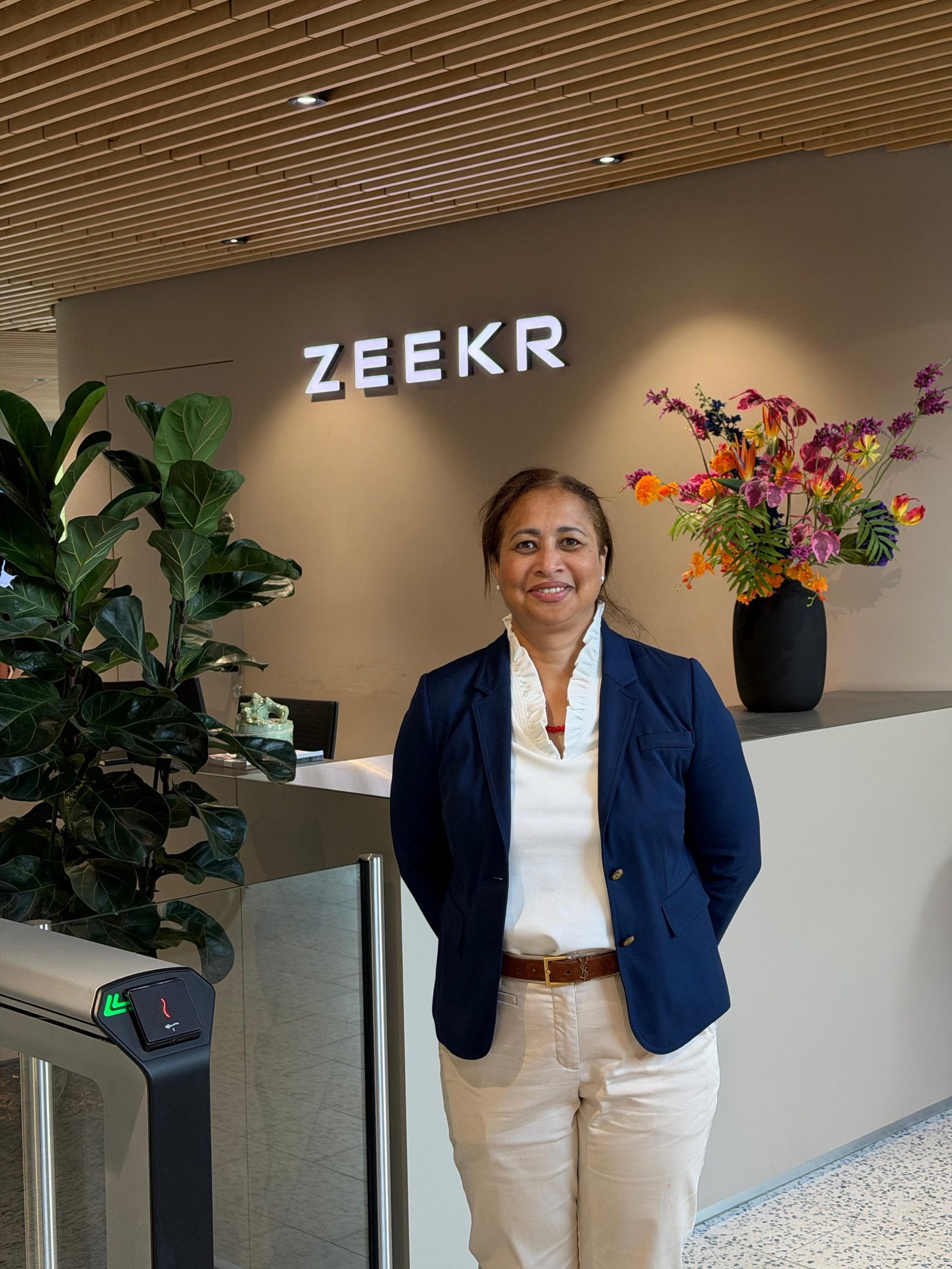
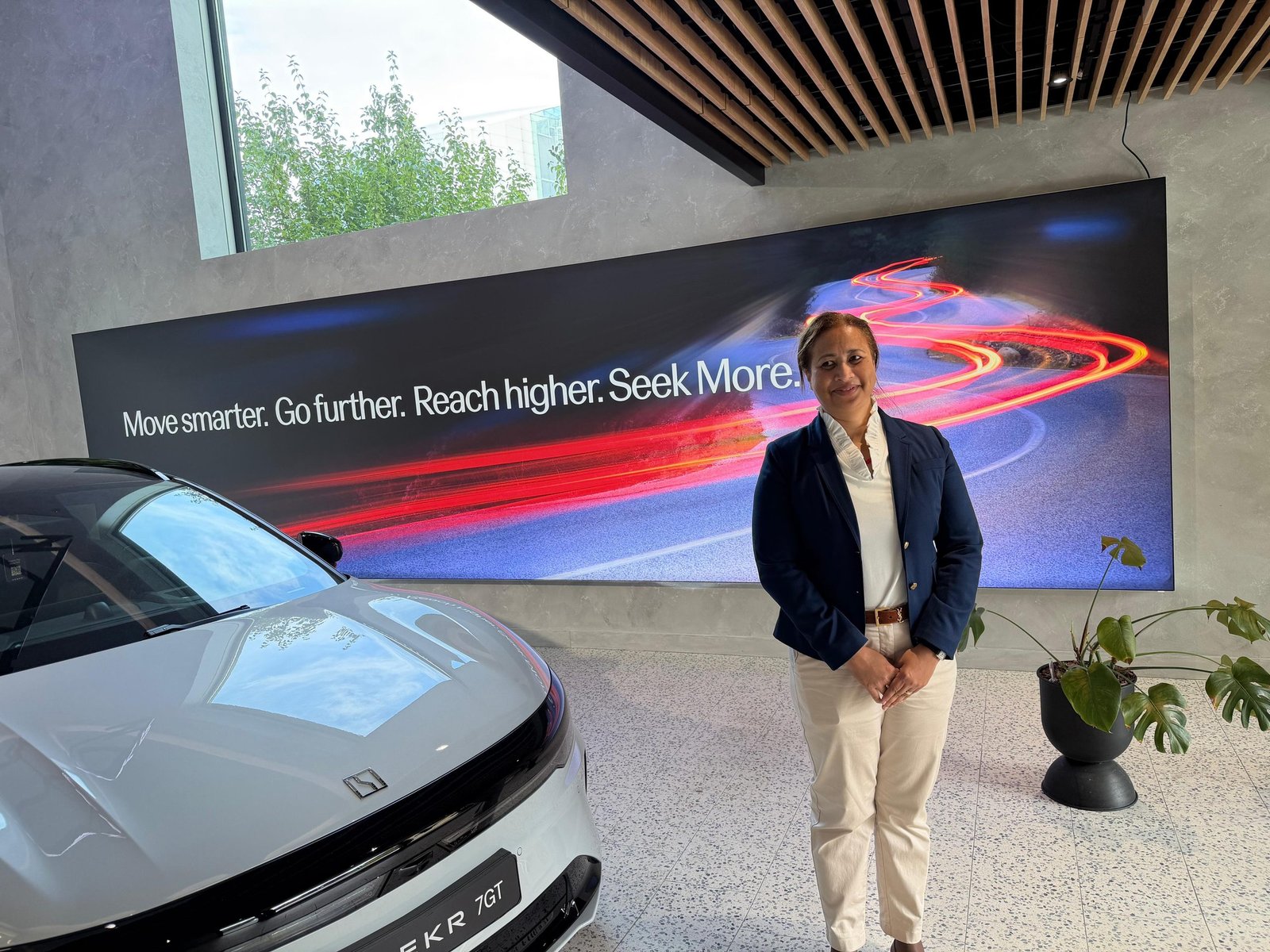
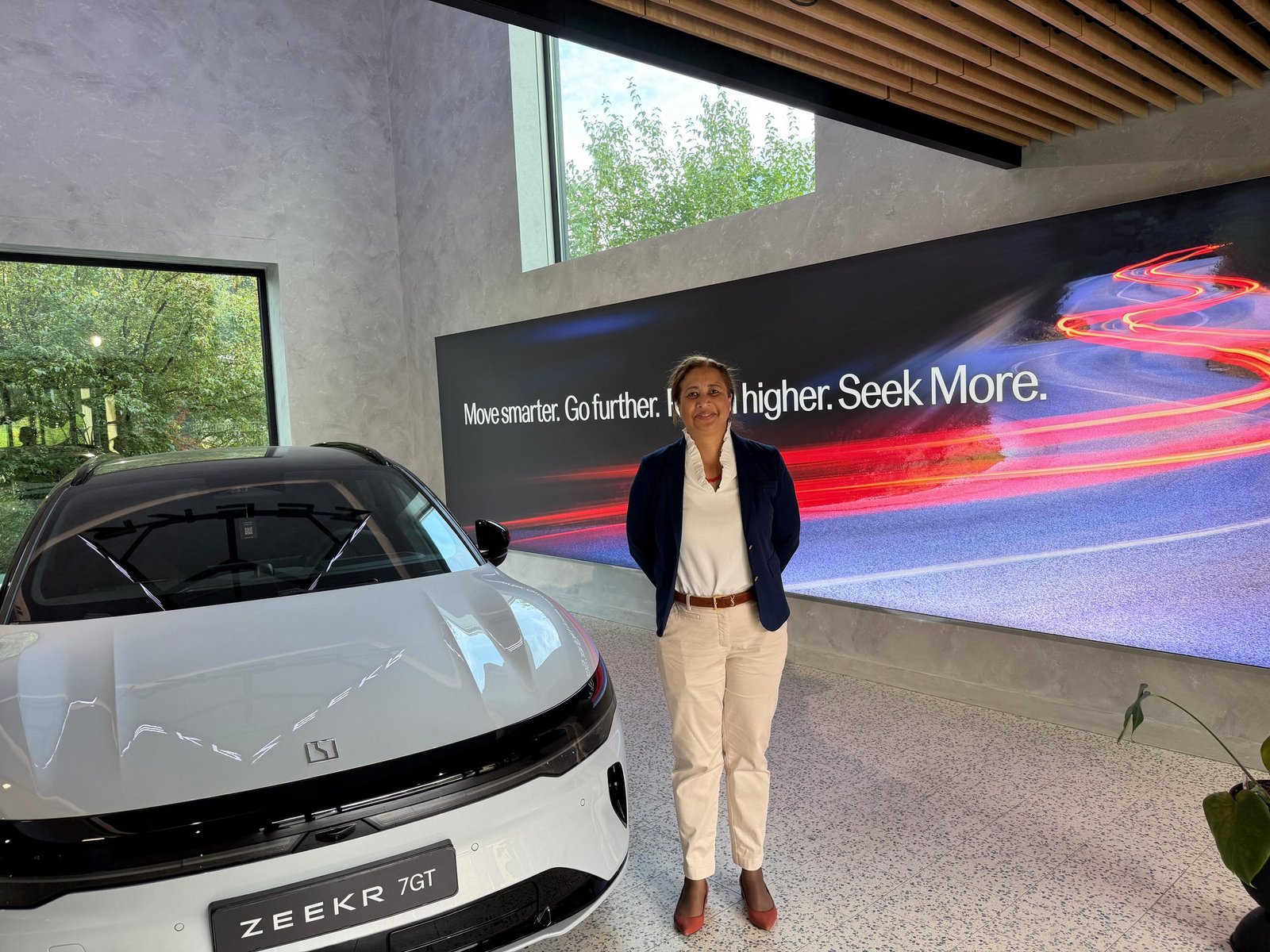
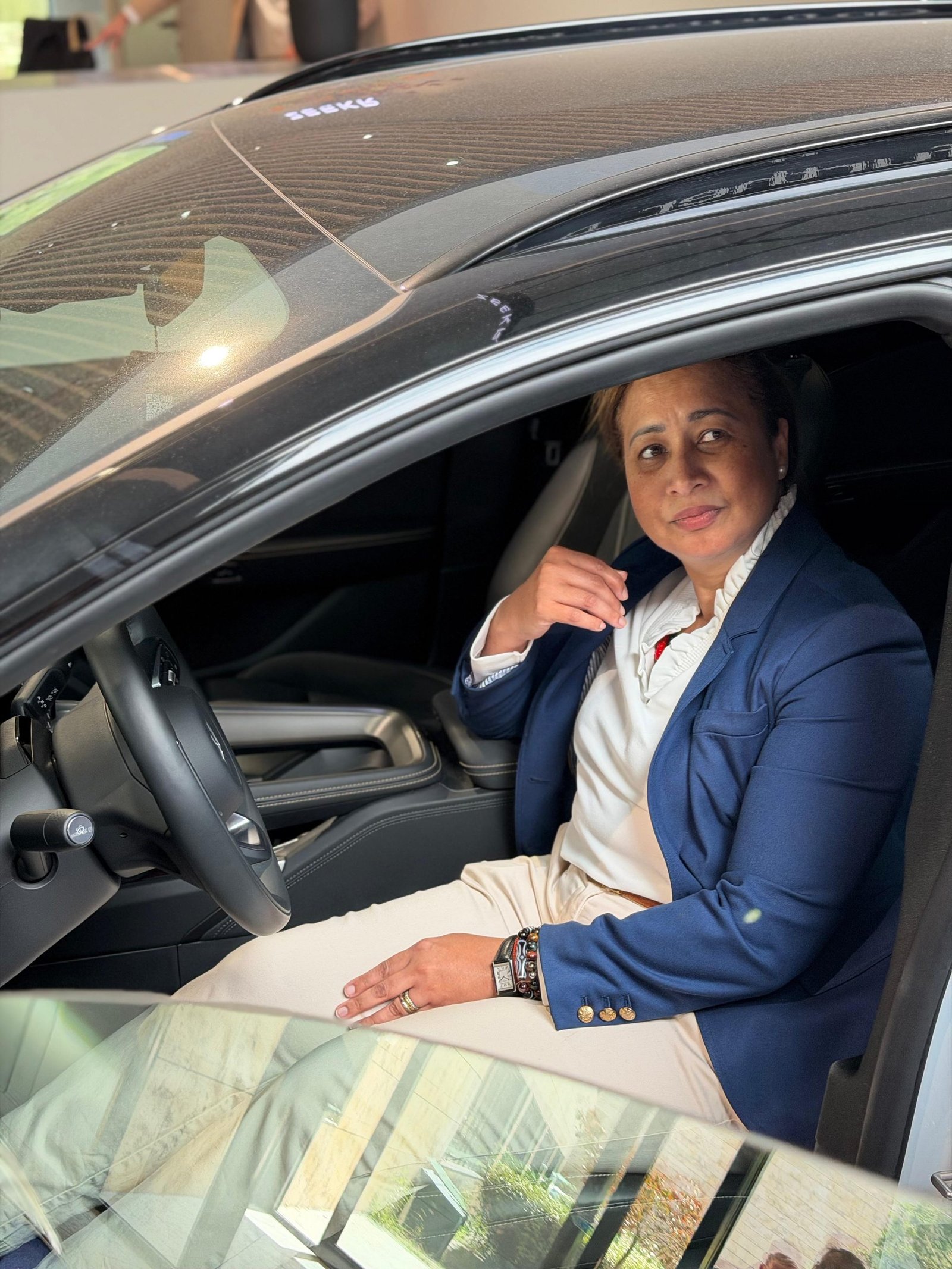
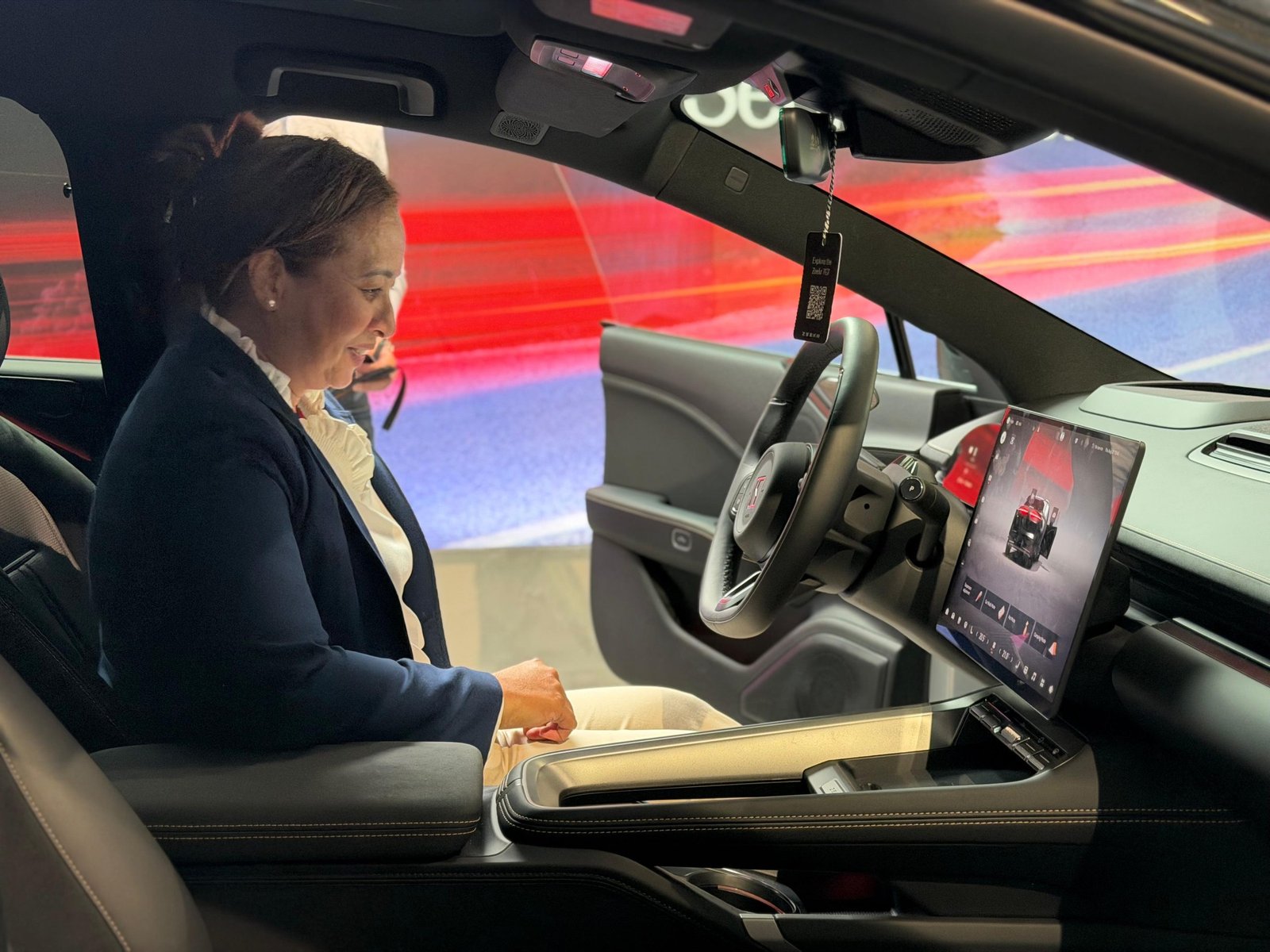
During a recent research excursion that included a visit to Zeekr’s European headquarters and observations of urban mobility ecosystems in Shenzhen, the tectonic shift of the global economy became strikingly apparent. Stepping into a modern electric vehicle (EV) no longer feels like entering a traditional automobile. Instead, it feels like boarding a rolling, high-performance board computer. The vehicle is software-defined, hyper-connected, and constantly evolving.
Yet, the most profound revelation from this research trip did not stem from the hardware or the processing power of the digital cockpit. It came from a brief, casual conversation with a senior executive at the firm. When asked about the secret behind scaling a high-end global brand with such ferocious velocity, the executive’s response was refreshingly blunt: “Talent is key. Trust. People first. Let’s move.”
That synthesis of core principles captures the exact operational paradigm confronting modern corporations. It echoes the core agility mantras once championed by high-performing institutions like ING Bank where slogans like “Do Your Thing ” were not merely marketing window dressing, but operational imperatives designed to eliminate corporate friction.
However, as business transformation, scale-up authorities, and network strategists observe, a compelling vision means nothing without a relentless war on institutional inertia and an environment built for high-leverage flow. Why do legacy enterprises struggle so immensely to replicate this velocity? And how are challengers rewriting the playbook on global market entry and digital transformation?
I. The Fallacy of Incrementalism and the Trap of “Glacial Pace”
In analyzing corporate transformation, we frequently encounter legacy incumbents attempting to innovate through marginal adjustments. They establish isolated innovation labs or deploy new technologies solely to squeeze incremental efficiency out of broken processes.
History shows these traditional approaches yield limited success. In a digital economy, you cannot successfully innovate by adding software layers to an analog corporate culture weighed down by bureaucracy. Organizations naturally suffer from “entropy” a slow, creeping slide toward complacency, political consensus-seeking, and bloated timelines.
When Geely Group conceived Zeekr, they avoided this trap. Leveraging a platform strategy built upon the Sustainable Experience Architecture (SEA) platform, they shared core technological components, battery architectures, and software frameworks across brands to compress development lifecycles.
Traditional Western automakers face what we call the “architectural trap.” Their value chains are optimized for mechanical complexity and lengthy bureaucratic sign-offs. By contrast, high-velocity companies treat speed as a non-negotiable asset. When an executive emphasizes a people-first philosophy anchored in trust, it creates the psychological safety and rapport required to declare war on slow timelines and say, “Let’s move,” without fearing the paralysis of micro-management.
II. The Four Pillars of Modern Strategic Alignment
For professionals navigating their own careers and for executives trying to steer legacy institutions the encounter with Zeekr raises a critical question: Does a company’s culture, mission, and daily execution match your own standard?
Systematic organizational alignment requires evaluating four fundamental dimensions:
1. Strategy and the “Why”
A company’s strategy defines its destination. If an enterprise states its mission is to redefine global smart luxury mobility, every level of the organization must believe in that thesis. If leadership hedges its bets between legacy habits and future realities, strategic drift occurs.
2. Value Chain and Resource Allocation
Competitive advantage is no longer just about steel stamping; it is about software integration, user data loops, and supply chain resilience.
The Geely Group ability to tap into localized European design hubs (such as in Gothenburg) while scaling manufacturing through Asian hubs demonstrates an optimized value chain.
3. Customer Engagement and the Digital Loop
A board-computer car changes the customer relationship entirely. In the past, the relationship effectively ended at the dealership lot. Today, with over-the-air (OTA) updates and continuous software optimization, companies must transition from transactional sales models to continuous engagement models.
4. Organization Structure and Behavioral Norms
This brings us directly back to the executive’s triad: Trust, People First, and Momentum. Bureaucracy kills innovation. A “people first” culture requires deep trust, which unlocks execution speed. Furthermore, high-performing environments eliminate friction by ensuring that working relationships are Easy, Lucrative, and Fun (E.L.F.) stripping away corporate politics so that top talent can focus entirely on value creation.
III. Execution Architecture: Compressing Cycle Times
Strategy without execution speed is merely a wish. To successfully transition an organization from a rigid industrial model to a high-velocity, software-defined ecosystem, leaders must eliminate execution slack and compress cycle times through a disciplined 90-day execution framework:
Days 0–30 (Diagnose & Align): Strip away operational complexity, root out bureaucratic bottlenecks, and reject the “glacial pace” of consensus-seeking. Build institutional trust and psychological safety by empowering cross-functional teams of high-performers to own their domains.
Days 31–60 (Architect & Instrument): Design real-time data loops and operational dashboards. Ensure that technology adoption is tightly coupled with rigorous change management rather than treated as a pure IT upgrade.
Days 61–90 (Execute & Scale): Deploy core value levers with a relentless bias for action (“Let’s move”), raising performance standards and stabilizing momentum.
Conclusion
As the boundary between consumer electronics and heavy industry continues to dissolve, the corporate winners will not be those with the deepest historical legacy, but those with the highest cultural velocity and structural simplicity.
Whether sitting in the back of an electric vehicle in Shenzhen or analyzing corporate restructurings from a boardroom, the takeaway remains identical. Talent thrives where bureaucracy dies. True speed is only unlocked when an organization genuinely puts its people first, builds deep institutional trust, eliminates unnecessary friction, and gives its teams the clarity and authority to simply move.